Articles


After examining twenty-five articles' worth of claims—solar deity parallels, pagan plagiarism, astrological ages, and political manipulation—what have we learned? And more importantly, what do we do now?

Zeitgeist argues that religion detaches humans from nature, demands blind submission, and eliminates moral responsibility. But what does the actual teaching of Jesus reveal about authority, ethics, and human accountability?
Zeitgeist claims Constantine convened the Council of Nicea to manufacture Christian doctrine for political control. But what do the historical sources actually reveal about what happened—and didn't happen—at Nicea?

Zeitgeist claims no historian documented Jesus and that Josephus was forged. But what do scholars—including skeptics—actually conclude about the evidence for the historical Jesus?
Reconciling God's foreknowledge with human destiny, asserting human sinfulness, God's justice and love, and the purpose of creation for God's glory.

Zeitgeist concludes that Jesus never existed, that Constantine manufactured Christianity at Nicea, and that religion is fundamentally a tool for political manipulation. What does the evidence actually show?
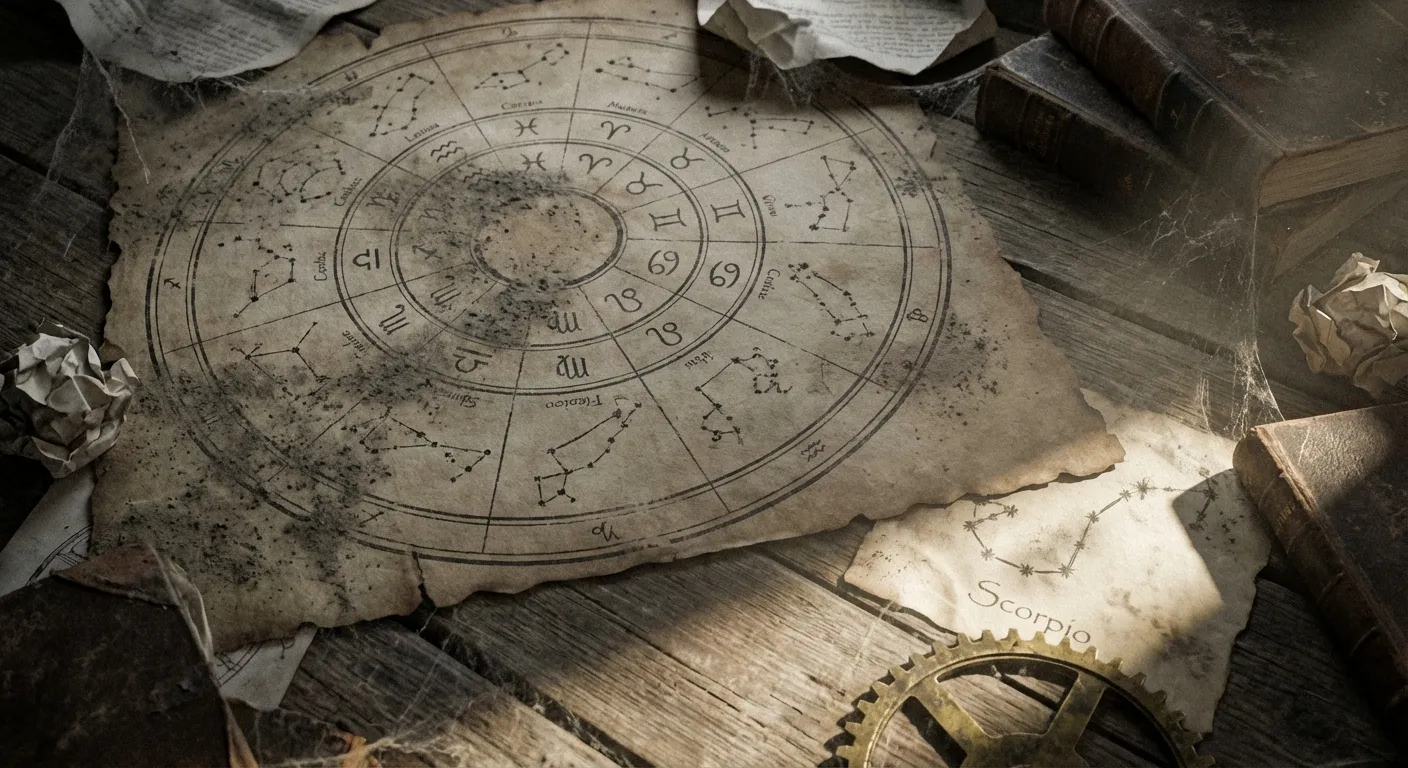
After examining Moses and Aries, Jesus and Pisces, and the 'End of the Age' as Aquarius, one conclusion emerges: the Bible-as-astrology thesis is historically impossible, textually unsupported, and methodologically bankrupt.

Zeitgeist claims that 'end of the world' is a mistranslation—that Matthew 28:20 actually refers to the end of the astrological Age of Pisces and the dawning of Aquarius. But the Greek, the context, and the timeline all say otherwise.

Zeitgeist claims Jesus' association with fish—disciples as fishermen, the feeding miracles, the ichthys symbol—encodes the astrological Age of Pisces. But the evidence points to geography, economics, and Jewish theology instead.